1xBet Zambia: identity, licence and payment evidence
A familiar name and a Zambia-facing offer do not, by themselves, establish who accepts a wager or whether the precise internet address is licensed locally. The supplied packet does not identify an exact domain, independently confirm the operating company or connect a current Zambian licence to the service. It does confirm that Zambia has a statutory bookmaker-licensing framework and named public bodies with gambling-related functions.
That gap produces an amber signal. It is not proof that 1xBet is fraudulent, and it is not a finding that the service is legal for a customer in Zambia. It means the decisive identity chain remains open: exact domain, contracting company, licence number, licence status and regulator-recognised complaint route.

Evidence verdict at a glance
| Question | Finding | Practical meaning |
|---|---|---|
| Is an exact domain confirmed? | No exact domain was supplied | A visitor cannot safely match the reviewed service to a specific internet address |
| Is the operator confirmed? | Not independently confirmed | The company responsible for balances, verification and disputes remains unresolved |
| Is a current Zambian licence matched? | No exact official match was located | No green legality signal is justified |
| Is there an official licensing framework? | Yes | Zambia’s Betting Control Act establishes a Board and bookmaker licensing framework |
| Is fraud established? | No | Missing proof is not proof of fraud; the correct status is unresolved |
| Overall signal | Amber | Verify identity and authority before depositing or submitting documents |
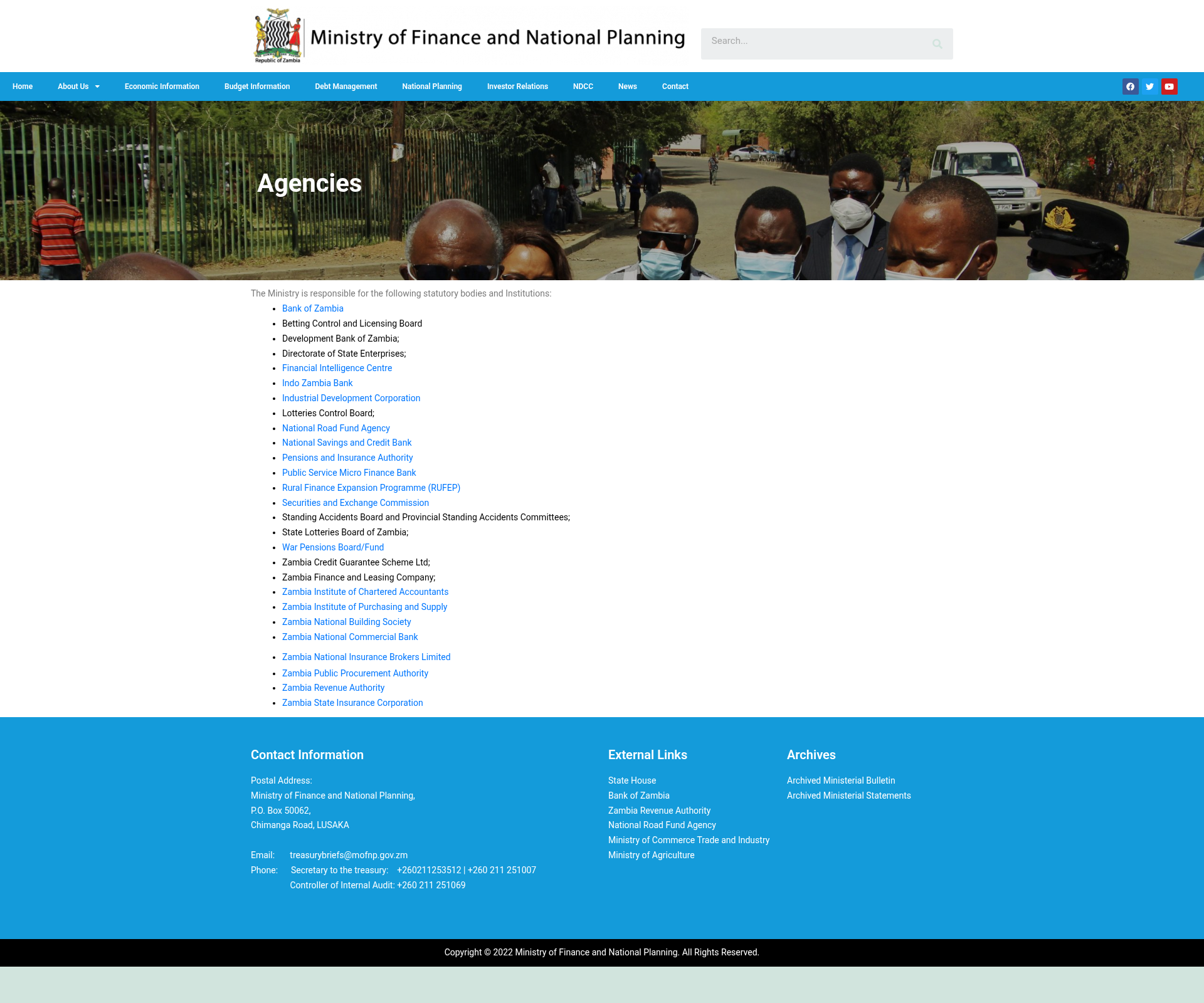
The strongest supplied material concerns Zambia’s regulatory structure rather than this particular service. The Ministry of Finance and National Planning lists the Betting Control and Licensing Board and Lotteries Control Board among its agencies. The Betting Control Act establishes a Board and a bookmaker-licensing framework. Separate Ministry of Tourism material provides casino-licensing applications, guidance and a checklist, but it is not a current register matching internet addresses to operators.
The local-domain and foreign-address tension
The central difficulty is cross-border identity. A service can display Zambian currency, local promotions or country-specific wording while its contractual company, servers, payment processors or dispute arrangements sit elsewhere. None of those presentation choices proves local authorisation. Conversely, a foreign corporate address would not alone prove illegality. The important question is whether one uninterrupted evidence chain links the precise internet address used by the customer to a named company and a current authorisation recognised in Zambia.
No exact domain appears in the packet. That omission matters because similar-looking addresses can lead to different companies, mirrors, redirects or imitation services. A general brand-level assessment cannot safely be transferred to every address carrying the same colours or name. Before account creation, record the full address from the browser bar, including the ending after the final dot. After any redirect, check it again. A change from one address to another should be explained by consistent legal notices and account terms, not merely by matching graphics.
A Zambia-facing label also leaves practical questions unanswered: which company owes the customer a withdrawal, which privacy notice governs identity documents, which rules apply to account closure, and where a complaint can be escalated. Until those points are tied together, the local appearance and potentially foreign contractual path remain in tension rather than resolution.
Operator identity and licence matching
A reliable licence check is more demanding than finding the word “licensed” in a footer. The legal company name, licence number or category, exact domain and current status should agree. The packet independently confirms none of those service-specific fields. Its description of the operator is therefore “not independently confirmed”, while public licence claims are described as conflicting.
| Identity field | Evidence available | What remains necessary |
|---|---|---|
| Brand name | 1xBet is the subject identified in the packet | Brand recognition does not identify the contracting company |
| Exact domain | Blank | Capture the precise address used for registration and payment |
| Legal operator | Not independently confirmed | Obtain the company’s full registered name and contact details |
| Zambian licence | No exact current official match located | Match a current record to both company and domain |
| Expiry or renewal date | Not supplied | Confirm current status from a competent official record |
| Complaint authority | Not linked to a confirmed operator | Establish the competent escalation body for the contract |
The Act supports the conclusion that bookmaker licensing exists; it does not operate as a live domain register in the supplied evidence. The Ministry agency listing helps identify institutional context, but it does not name this service as licensed. The tourism guidance concerns casino-licensing procedures and likewise does not prove an operator-domain match. These primary records cannot properly be stretched into a positive verdict about a company they do not identify.
A claimed foreign licence, if encountered elsewhere, would need separate verification and would not automatically answer whether the service is authorised for Zambia. The correct test is precise rather than reputational: the same company and domain must appear in current, competent evidence relevant to the market.
Legal in Zambia or an unresolved offering?
The evidence supports two limited conclusions. First, Zambia has a legal framework for bookmaker licensing. Second, the supplied records do not establish that the reviewed service holds a current authorisation matched to its exact domain and operator. It would therefore be inaccurate to call the offering confirmed legal on this packet, just as it would be inaccurate to declare it illegal without an official adverse record.
Customers should distinguish three questions that are often collapsed into one. Is betting regulated in Zambia? The Act indicates that bookmaker licensing is regulated. Is a particular company licensed? That requires a current company-level record. Is the address currently on screen covered by that authority? That requires an exact domain match. A “yes” to the first question cannot substitute for evidence on the other two.
The amber assessment is an evidence status, not legal advice or a prediction about account outcomes. A stronger green assessment would require current primary evidence connecting the precise address, responsible company and relevant authority. A red assessment would require an official adverse record or corroborated documented evidence. Neither threshold is met here.
For the broader distinction between a regulated activity and a verified service, consult legal status in Zambia and the licence-checking process.
Payments, deposits and the KYC path
No payment method, fee, processing time, currency-conversion rule or transaction limit is verified in the packet. Claims about mobile money, cards, bank transfers or electronic wallets would therefore be speculative. The safe approach is to inspect the cashier only after confirming the domain and operator, then preserve the terms displayed before sending money.
| Stage | Evidence to preserve | Warning sign |
|---|---|---|
| Before deposit | Exact domain, legal company, currency, minimum and maximum, stated fee | Payment instructions arrive through an unrelated message or personal account |
| Deposit | Receipt, transaction reference, beneficiary or processor name | Recipient identity conflicts with the legal notices and is not explained |
| KYC request | Document list, secure submission location, privacy notice, deadline | Documents are requested through an informal channel or different domain |
| Withdrawal request | Amount, selected method, status and timestamp | New material conditions appear only after the request |
| Delay or rejection | Written reason, cited rule and support reference | Repeated generic replies without a reviewable explanation |
Know-your-customer checks may involve sensitive material, but no particular requirement is confirmed here. Do not assume what documents will be requested or when. Before uploading anything, check that the secure address matches the service, that the privacy information names the same company as the account contract, and that the purpose of collection is stated. Redact only where the recipient’s instructions and lawful process permit it; an altered document may fail verification.
Payment availability should never be treated as licence evidence. A successful deposit proves only that a transaction route worked at that moment. It does not establish local authorisation, withdrawal reliability or control of the named brand. The payment checks checklist can be used to compare the beneficiary, fees and withdrawal conditions before committing funds.
Withdrawals: what has and has not been tested
The packet contains no withdrawal test. There is no verified deposit amount, request date, settlement time, fee, rejection reason or completed payout. Any statement that withdrawals are fast, slow, reliable or routinely blocked would exceed the evidence. Third-party discussion may suggest questions to investigate, but it cannot replace an observed and documented transaction.
Before depositing, read the withdrawal rules that are actually shown on the confirmed domain. Record turnover conditions, verification triggers, method restrictions, limits and dormant-account provisions. After a request, keep a chronological file containing the request confirmation, balance changes, verification messages and support correspondence. Avoid cancelling and resubmitting repeatedly unless support gives a clear reason, because that can make the chronology harder to demonstrate.
If a request stalls, ask for a written explanation tied to a specific contractual rule. Also ask whether the matter is awaiting identity review, payment-processor action or internal approval. Those are different situations and may require different evidence. Do not send additional deposits to “unlock” a withdrawal unless a verified contractual and lawful basis is clear; an unexpected demand for more money is a serious risk indicator.
A small successful withdrawal would provide limited transaction evidence, not a guarantee about larger or future requests. Likewise, one unresolved user report would not prove a general practice. Transaction-level findings should remain separate from licence and identity findings.
Complaint route and escalation record
No service-specific complaint procedure or recognised alternative dispute route is confirmed. A customer should begin by building a clear record rather than scattering allegations across several channels. State the account identifier, disputed amount, relevant dates, transaction references, requested remedy and deadline for a substantive response. Keep the language factual and do not send unnecessary identity documents with an initial complaint.
Use the operator’s formal complaint route only after confirming that it belongs to the same legal company and domain. Ask for a complaint reference and a final written position. If the service cites a licence or regulator, independently match that claim before sending the dispute to the named body. The supplied Ministry pages establish institutional and procedural context but do not establish which body would accept a complaint about this unconfirmed operator.
The complaints guide explains how to organise a timeline and evidence bundle. Urgent risks involving loss of control, severe distress or unsafe gambling call for urgent help, while account disputes should remain documented separately. Chargeback or payment-reversal options depend on the payment provider and circumstances; none is verified here, and a customer should not misstate facts when approaching a provider.
Clone, redirect and impersonation checks
A recognised name can be copied. Since no exact domain is supplied, clone checking is especially important. Begin with the address itself, not the logo. Look for substituted letters, extra hyphens, unexpected endings and redirects to unrelated addresses. Password managers can also expose a mismatch because saved credentials normally recognise the domain on which they were created.
Compare the company named in the terms, privacy notice, payment screen and complaint information. All should form a coherent identity chain. If one screen names a different company, preserve a capture and seek an explanation before depositing. A processor may legitimately differ from the operator, but its role should be intelligible; an unexplained personal beneficiary or informal transfer instruction deserves caution.
Never treat a supplied brand image as proof of control. The logo shown above assists recognition only. Likewise, search placement, social-media followers, local telephone numbers and Zambia-themed graphics do not establish authority. Review the scam warnings before responding to unsolicited bonus, recovery or verification messages.
Main risks and unresolved questions
The largest risk is identity uncertainty. Without an exact domain and independently confirmed operator, a customer cannot confidently determine who holds the balance or personal data. The second risk is licence uncertainty: the packet confirms a licensing framework but not a current service-specific match. The third is transaction uncertainty because no payment or withdrawal test is available.
Other unknowns include accepted payment methods, fees, processing times, verification requirements, limits, bonus conditions, account-closure rules, data handling and the competent complaint body. Unknown does not mean adverse, but each unknown reduces the support available for a positive recommendation. Promotional language cannot fill those gaps.
Anyone proceeding despite the amber status should first confirm the full identity chain, use an affordable amount, avoid chasing losses and preserve records. Gambling should not be used to solve financial pressure. The responsible gambling resources provide practical controls. If the unresolved identity or licence position is unacceptable, the prudent option is not to open or fund an account.
After completing those checks, the single commercial route supplied for this dossier is Compare cautiously. It should be used only if the exact destination, legal identity and current authority are independently satisfactory.
Evidence chronology, method and corrections
All four supplied records were checked on 22 August 2026. The Betting Control Act provides the statutory framework. The Ministry of Finance and National Planning page identifies relevant agencies. The Ministry of Tourism material shows casino-licensing guidance and an application checklist, but not a current operator-domain register. A dated third-party capture provides discovery context only and is excluded from the legality and safety verdict.
| Record | Role in the assessment | Limit |
|---|---|---|
| ZM-SRC-002 | Confirms a Board and bookmaker-licensing framework | Does not list a current domain for the service |
| ZM-SRC-001 | Identifies relevant public agencies | Does not confirm a licence for the operator |
| ZM-SRC-005 | Shows casino-licensing guidance and checklist material | Is not a current operator-domain register |
| ZM-SRC-046 | Records dated third-party discovery context | Cannot prove legality, safety or complaint truth |
The method gives primary records greater weight than operator statements or user context. It also requires the precise domain and legal entity to match before a green signal is used. No inference was made from brand familiarity, local presentation or third-party commentary. The result remains amber because the evidence is open, not because an adverse finding has been established. Further detail on these thresholds appears in the methodology.
Corrections should identify the disputed statement and provide a dated, competent record that can be checked. Useful material would include a current regulator entry naming the company, licence identifier, status and exact domain, or formal evidence clarifying the contractual operator. Marketing claims and undated captures are insufficient on their own. Submit relevant material through contact; the assessment can then be reconsidered without erasing the earlier evidence date.
Frequently asked questions
Is 1xBet legal in Zambia?
The supplied records confirm that Zambia has a bookmaker-licensing framework, but they do not match a current Zambian licence to an exact 1xBet domain and independently confirmed operator. The legality position is therefore unresolved rather than confirmed.
Is 1xBet a scam?
No official adverse record or corroborated evidence in the packet establishes fraud. However, the exact domain, operator and current local licence are not confirmed, so an amber caution signal is appropriate and identity checks should come before any payment.
Which company operates the service for Zambian customers?
The operator is not independently confirmed in the supplied evidence. Check the legal company named in the account terms, privacy notice, payment information and complaint procedure, and require those details to remain consistent.
Which payment and withdrawal methods are available?
None is verified by the packet. Inspect the cashier on the confirmed domain and record currencies, fees, limits, verification conditions and withdrawal restrictions before depositing. Payment availability does not prove licensing.
Has a withdrawal been tested?
No withdrawal test is included. There is no verified request amount, processing time, fee or outcome, so no claim about withdrawal speed or reliability is supported.
How should I complain about an account or payment problem?
Use the formal complaint channel belonging to the confirmed operator, request a reference and preserve a dated transaction timeline. Escalate only to an authority whose competence and connection to the operator have been independently verified.