Betkumi Zambia: licence, payments and identity checks
A partial or delayed transfer is not enough, on its own, to show whether a betting service is legitimate or fraudulent. The practical starting point is reconciliation: compare the amount requested, amount received, transaction date, bank reference and account details. For Betkumi, that payment work must be kept separate from the unresolved questions about the operating company, exact internet address and current Zambian licence.
The available primary records explain Zambia’s licensing framework and identify relevant public bodies, but they do not establish a current licence-to-domain match for this service. No independently verified operating company, exact internet address, payment-method list, withdrawal test or licence number was supplied. The resulting signal is amber: important evidence remains open rather than positively or negatively resolved.

Evidence verdict at a glance
The central issue is not whether a name appears familiar. A reliable legality check needs a connected chain: the exact internet address used by the customer, the legal company accepting the wager, and a current licence covering that activity in Zambia. None of those three elements has been independently matched for the service in the accepted records.
| Check | Finding | Meaning |
|---|---|---|
| Exact internet address | Not supplied or independently confirmed | A lookalike or redirected address cannot be excluded |
| Operating company | Not independently confirmed | Contracting responsibility remains unclear |
| Zambian licence | Not independently confirmed | Legal status cannot be presented as established |
| Official adverse record | None supplied | There is no evidence basis for a red signal |
| Payment or withdrawal test | None supplied | Speed, fees and reliability remain untested |
Amber does not mean approved, licensed, safe or fraudulent. It means the evidence packet leaves decisive questions unanswered. Before depositing, a customer should verify the precise address, company identity and licence directly against competent records. Anyone already facing a delayed transfer should preserve transaction evidence before making another payment.
Exact address, company and licence do not yet match
The supplied records contain no confirmed internet address for the service. That absence matters because a licence held by one company does not automatically cover every address using a similar name. It also prevents a dependable clone check: spelling, redirects, certificate details and footer ownership cannot be compared with an authorised address.
The operating company is likewise unconfirmed. A name shown on a banking statement, wallet prompt or website footer could help identify the payment recipient, but no such verified record was supplied. Customers should not assume that the trading name and legal company are identical. The useful fields are the full company name, registration details, physical contact information, licence number and the precise address covered by the licence.
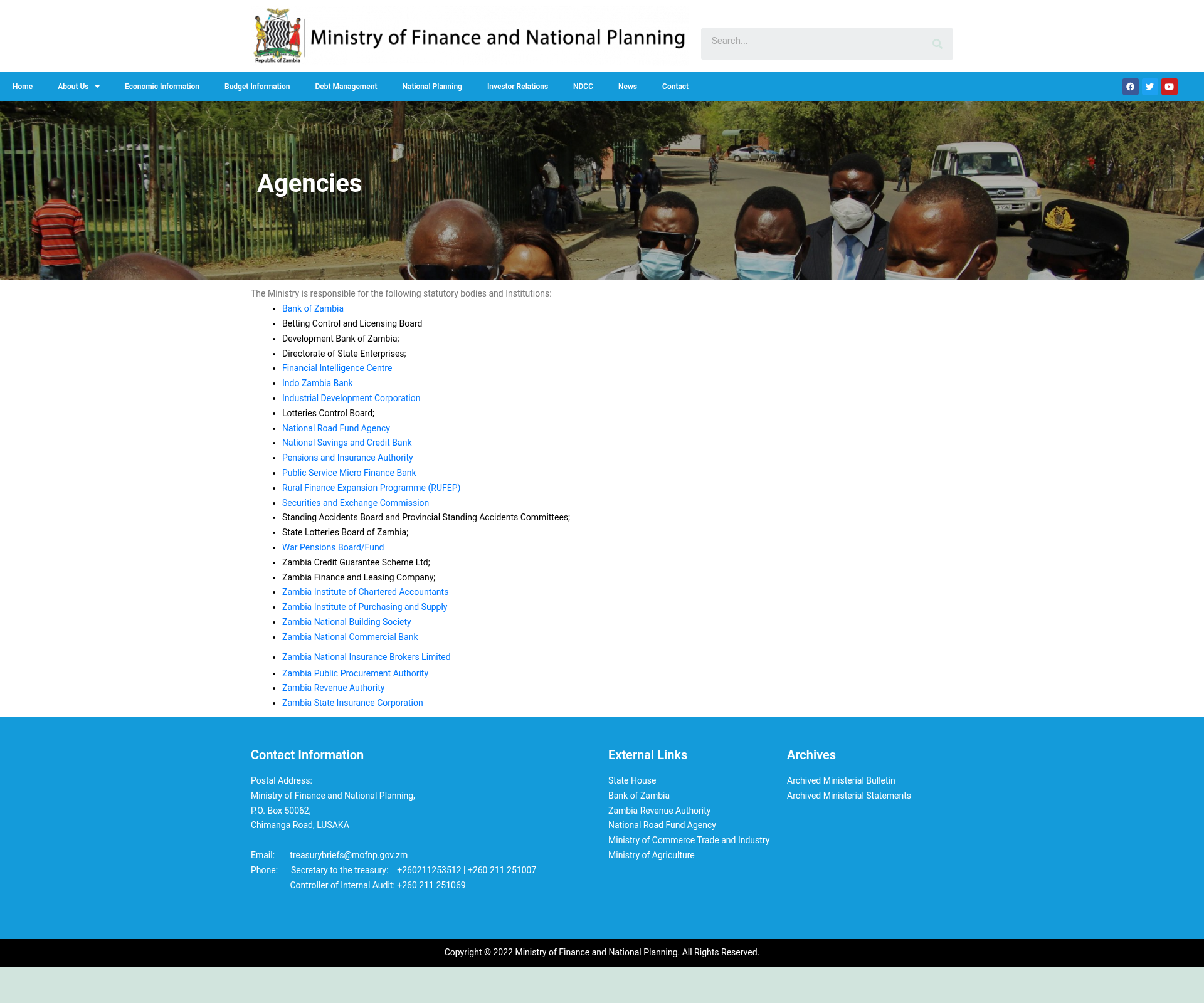
Zambia’s Ministry agency listing identifies the Betting Control and Licensing Board and Lotteries Control Board among its agencies. That is relevant institutional context, not proof that the service is licensed. The accepted material contains no dated regulator entry joining Betkumi, a legal company and an exact internet address.
| Required link | Accepted evidence | Status |
|---|---|---|
| Trading name to legal company | No primary match supplied | Open |
| Legal company to licence number | No current licence record supplied | Open |
| Licence number to exact address | No current domain register supplied | Open |
| Address to payment recipient | No verified statement or receipt supplied | Open |
Until that chain is documented, claims that the operator is definitely legal in Zambia would overstate the evidence.
Scam or legitimate: what the records can support
The supplied material supports neither a clean legitimacy finding nor a fraud finding. There is no official adverse record or corroborated documented evidence in the packet that would justify a red signal. Equally, there is no current primary record confirming the exact company, licence and internet address, so a green signal would be inappropriate.
A delayed withdrawal can arise from several causes: incomplete identity verification, a bank-processing delay, an incorrect reference, a rejected transfer, an account restriction or an operator-side review. Those possibilities are explanations to test, not established facts about this service. A request for an additional deposit, tax payment or release fee before funds can be withdrawn would warrant caution, but no verified example of such conduct was supplied here.
The practical distinction is evidence quality. An official decision concerning the correct company carries more weight than an anonymous accusation. A dated bank record can establish that a transfer occurred, but not necessarily why it was delayed. A promotional statement may describe the operator’s position, but it does not independently prove licensing or payment performance.
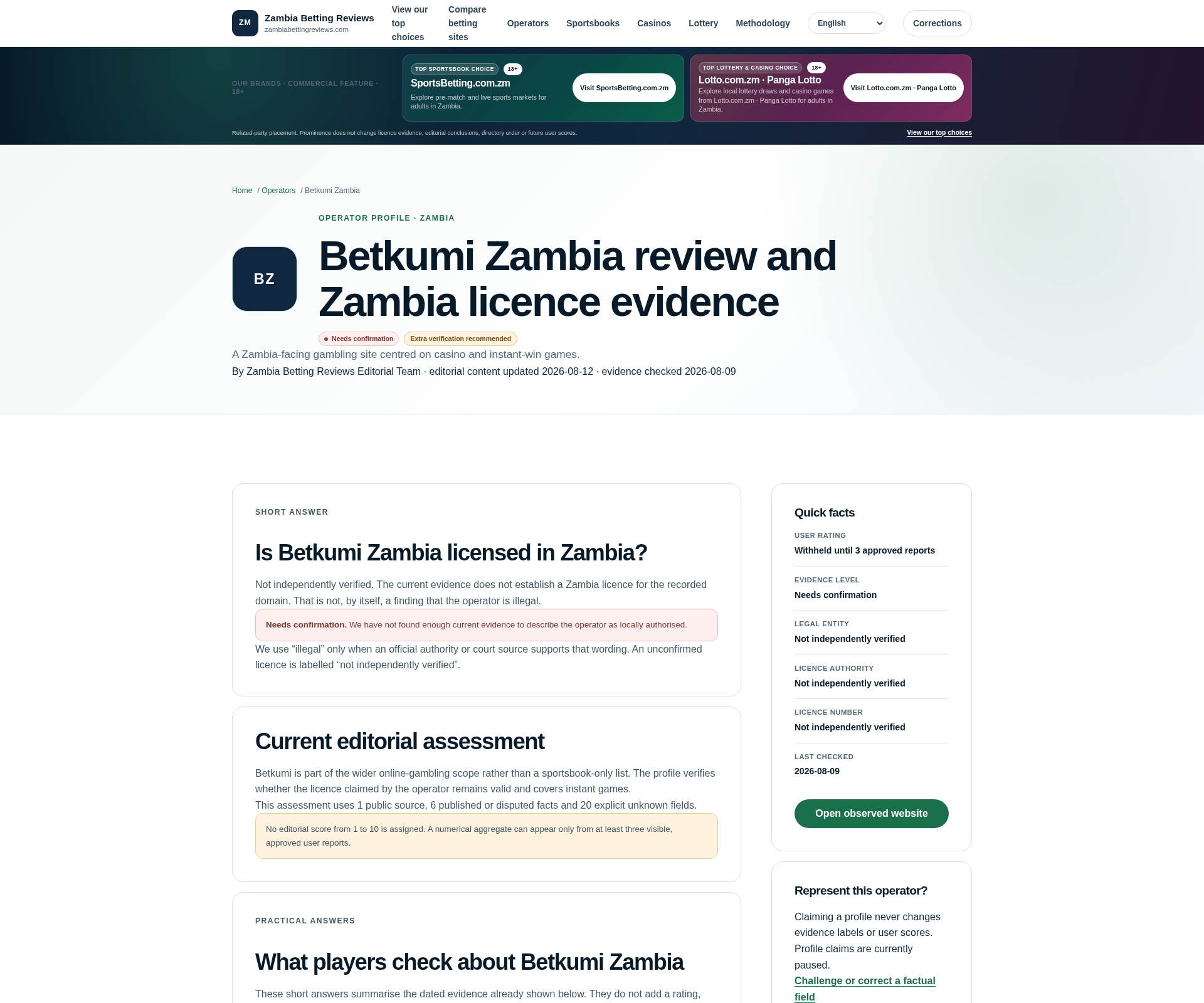
The dated third-party listing is therefore treated only as user context. It establishes that the name was discussed elsewhere, not that any claim made there is accurate.
Bank reconciliation for a partial or delayed transfer
When a customer receives less than expected, the strongest first step is to reconcile the payment rather than rely on a balance screenshot alone. Record the requested withdrawal, any displayed fee, the amount approved, the amount reaching the bank, and the currency. Keep the original reference exactly as shown; changing spacing or omitting leading characters can make tracing harder.
| Record to preserve | What to compare | Why it matters |
|---|---|---|
| Withdrawal confirmation | Requested and approved amounts | Shows whether the shortfall arose before bank settlement |
| Bank statement entry | Amount, date, narration and reference | Establishes what reached the account |
| Transaction reference | Same reference across all messages | Helps the bank locate or trace the transfer |
| Account history | Status and timestamp | Distinguishes pending, rejected and completed states |
| Support correspondence | Dates, case number and promised action | Creates a chronological complaint record |
| Identity request | Documents requested and submission time | Shows whether verification is genuinely outstanding |
Ask the operator for the payment reference, sending institution, amount sent, date released and any fee deducted. Then ask the bank whether the reference can be traced and whether an incoming transfer was rejected, reversed, held or converted. The bank can explain its own processing, but it cannot confirm the operator’s licence or prove that an internal status is accurate.
Do not send sensitive card credentials, passwords or one-time codes in ordinary support messages. Redact unrelated transactions when sharing a statement, while leaving the relevant name, date, amount and reference visible. Further practical steps are available under payment checks.
Deposits, withdrawals and verification remain untested
No accepted evidence identifies supported deposit channels, withdrawal channels, processing times, minimum amounts, fees or currency-conversion rules. It would therefore be misleading to list mobile money, cards, bank transfers or electronic wallets as confirmed options. A payment button visible during one session would also not prove that the same method is available for withdrawal.
No controlled deposit or withdrawal test exists in the packet. There is consequently no independent basis for describing withdrawals as fast, reliable or problematic. Customers should distinguish an operator’s advertised timing from actual settlement into a bank or wallet. “Processed” may describe an internal action rather than receipt by the customer.
Identity verification is also unknown. No accepted terms establish which documents may be requested, when checks occur, how long review takes or whether enhanced checks apply. Before depositing, inspect the available terms for the account-name rule, withdrawal ownership requirement, verification triggers, inactive-account provisions and bonus restrictions. Save a dated copy of the terms relevant to the transaction.
A sensible low-risk approach is to avoid depositing until ownership and licensing are verified. If proceeding despite the open evidence, use only an amount that can be lost, avoid borrowed money, and test the smallest permitted withdrawal before building a larger balance. That is a risk-control measure, not evidence that the service is approved.
What Zambian primary records establish
The Betting Control Act establishes a Board and a bookmaker-licensing framework. The supplied Act does not provide a current register connecting internet addresses to licence holders. It supplies legal structure, but it cannot answer whether a particular address is presently authorised.
The Ministry also publishes casino-licensing guidance and an application checklist. That material concerns licensing administration and is not a current operator-address register. Casino guidance should not be treated as automatic proof of a bookmaker’s status, and an application process is not the same as an issued, current licence.
| Record checked | What it establishes | What it does not establish |
|---|---|---|
| Ministry agency listing | Relevant boards appear among public agencies | A licence for this service |
| Betting Control Act | A Board and bookmaker licensing framework exist | A current company-address match |
| Casino-licensing guidance | Applications, guidance and a checklist are published | Current authorisation for the operator |
For a lawful-operation conclusion, the missing evidence would need to show the licensed company, licence category, status, validity period and exact internet address. General regulatory material cannot fill those gaps. The wider distinction between a legal framework and a current operator record is explained under licence checks and legal status in Zambia.
Clone and impersonation checks before payment
Because no exact address was confirmed, customers should treat links from unsolicited messages, advertisements and social accounts cautiously. Start by typing or comparing the full address character by character. Look for substituted letters, extra hyphens, misleading subdomains and unusual endings. A padlock only indicates that the connection is encrypted; it does not prove that the recipient is licensed or genuine.
Compare the company name in the footer, terms, privacy notice, deposit prompt and bank recipient. Material differences should be resolved before payment. A licence number, if displayed, should be checked against a competent primary record and tied to the same company and address. A copied licence image is not enough because images can be outdated or reused.
Warning signs include pressure to move to a private messaging account, requests for passwords or one-time codes, payment to changing personal names, and demands for a fresh deposit to release a withdrawal. These are general risk indicators, not verified conduct by the service. Preserve the full address, screenshots and transaction references if impersonation is suspected, then follow the scam warning checks.
Complaint and escalation route
A clear complaint should focus on verifiable events. State the account identifier without revealing the password, the transaction amount, the date, the payment reference, the expected outcome and the remedy requested. Ask for a case number and a written response. Avoid combining unrelated issues, because a bank-tracing request, account verification dispute and licence query may need different evidence.
If the transfer is missing or partial, contact the financial institution with the reference and request a trace or explanation of any rejection, reversal, hold or fee. If the operator says verification is incomplete, ask which specific requirement remains outstanding and when the submitted documents were reviewed. Do not repeatedly upload identity documents to unverified addresses.
For an unresolved operator complaint, preserve the original message, every response and all attachments, then use the complaints route. A licensing concern should include the exact internet address and displayed company or licence details. The regulator or competent authority determines its own jurisdiction and process; no outcome can be promised.
If gambling is causing financial pressure, chasing losses or an urge to deposit in order to recover a delayed payment, stop further transactions and use responsible gambling support. Immediate wellbeing concerns belong with urgent help, not a payment dispute process.
Evidence chronology and unresolved facts
All four supplied records were checked on 22 August 2026. The primary materials establish the institutional and legislative setting, while the third-party record provides discovery context only. None supplies the missing company-to-address licence match.
| Date checked | Record | Evidential role | Result |
|---|---|---|---|
| 22 August 2026 | Ministry agency listing | Primary | Identifies relevant boards among agencies |
| 22 August 2026 | Betting Control Act | Primary | Establishes Board and licensing framework |
| 22 August 2026 | Casino-licensing guidance | Primary | Shows application guidance and checklist |
| 22 August 2026 | Third-party listing | User context | Confirms discussion, not licence or complaint truth |
The unresolved items are substantial: exact internet address, legal company, current licence number, licence validity, payment methods, withdrawal terms, verification rules, complaint contacts and real transaction performance. No complaint allegation has been adopted as fact, and no personal experience or withdrawal outcome has been inferred.
The assessment method gives priority to current primary evidence tied to the precise entity. Operator statements would be attributed as claims, while user reports would remain contextual unless corroborated. Corrections require a dated, verifiable record showing what is wrong and what should replace it. Supporting material can be submitted through contact, and the evidence standard is described in the methodology.
Customers who understand the unresolved evidence and still choose to continue can Open comparison. Verify the address and legal identity before entering payment or identity information.
Frequently asked questions
Is Betkumi licensed in Zambia?
A current Zambian licence for the exact service, legal company and internet address was not independently confirmed in the supplied records. The primary sources establish a licensing framework and identify relevant public bodies, but they do not provide the required current match.
Is Betkumi a scam or legitimate?
The accepted evidence does not justify either conclusion. There is no supplied official adverse record supporting a fraud finding, but there is also no current primary evidence sufficient for a green legitimacy signal. The appropriate status is amber because decisive evidence remains open.
Which payment and withdrawal methods are available?
No payment-method list was independently verified. Mobile money, cards, bank transfers and electronic wallets must not be treated as confirmed options without accepted evidence. Availability, fees, limits and processing times remain unknown.
What should I do about a partial or delayed withdrawal?
Preserve the withdrawal confirmation, bank entry, amount, date and transaction reference. Ask the operator for the sending reference and amount released, then ask the bank to trace the transfer and explain any rejection, reversal, hold, conversion or fee.
What identity checks can the operator request?
The supplied evidence does not establish the operator’s verification rules. Before sending documents, confirm the recipient address, identify the legal company, read the applicable terms and ask which specific requirement is outstanding. Never send passwords or one-time codes.
How can I report a correction or licensing record?
Submit a dated primary record that identifies the legal company, licence status and exact internet address. A promotional claim, copied badge or undated screenshot is not sufficient on its own. Corrections can be sent through the contact route for review.